
Storytelling, Memory, and Movies
City of GodThe novel examines how stories shape perception, how movies flatten it, and how recovered documents can restore the dead to presence.
increasing Bearing strength in each event
 decreasing
Bearing strength in each eventdecreasingFilm Language Is an Oxymoron
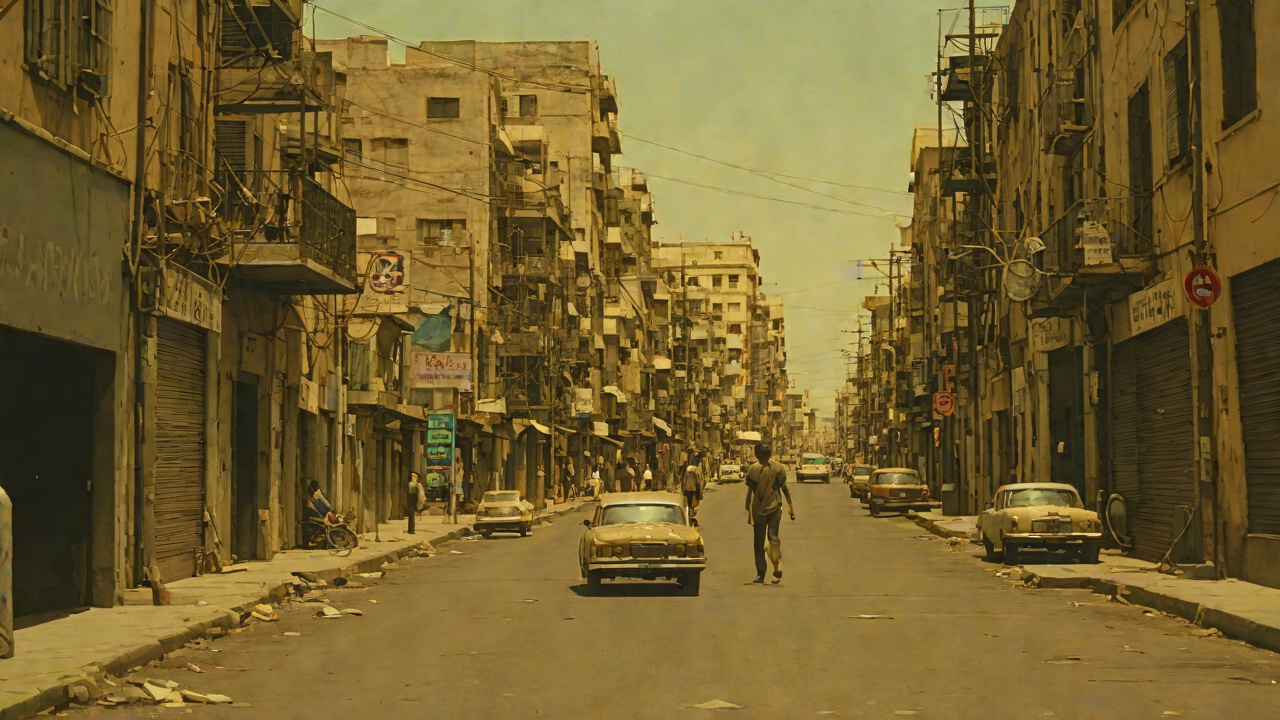
Film Language Is an Oxymoron
Context
The narrator argues that film is not a language but an image system. Ninety-five percent of a scene's meaning is established before a word is spoken. Movies implode discourse and shrink thought to the preverbal impression.
Significance
The essay is a defense of the literary against the dominance of cinema. Novels can go inside consciousness; films show only behavior. The narrator is aware that he is swimming against the tide of the movie culture.
Consequences
The digression explains why the novel contains so many unwritten movie outlines: fictional films figure the death of the literary, just as the archive represents the resurrection of the written.
Movies as a Life Form
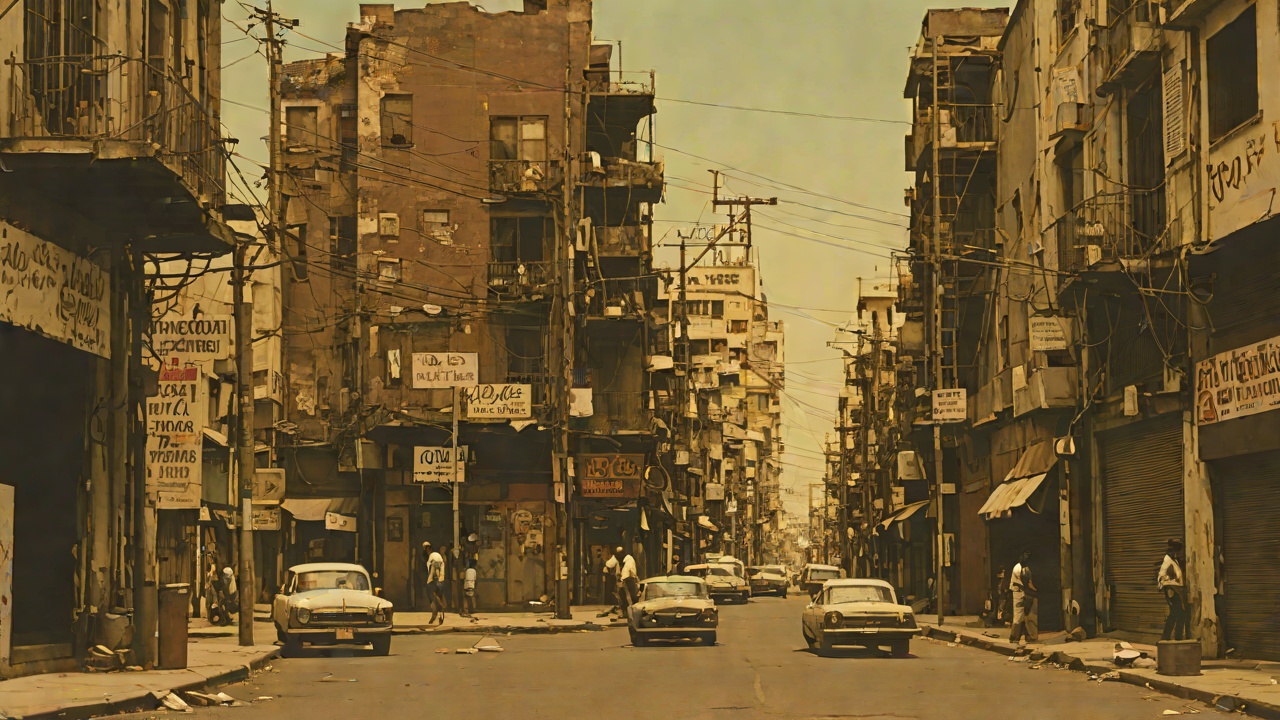
Movies as a Life Form
Context
The narrator describes a director, B., who wants to write a film about a director who casts an actress to be mutilated, only to have the fate repeated on her in real life. B. worries that he foresees doom, that movies are instruments of something larger. The narrator refuses the project.
Significance
The story suggests that movies are not neutral art but hungry creatures that consume lives. They have their own reproduction system, independent of human will. The film industry's accidents are evidence of a parasitic form of life.
Consequences
The novel treats this idea with ambivalence. It is both a paranoid fantasy and a sharp critique of a culture that turns people into images.
Ghost Photographs of the Dead
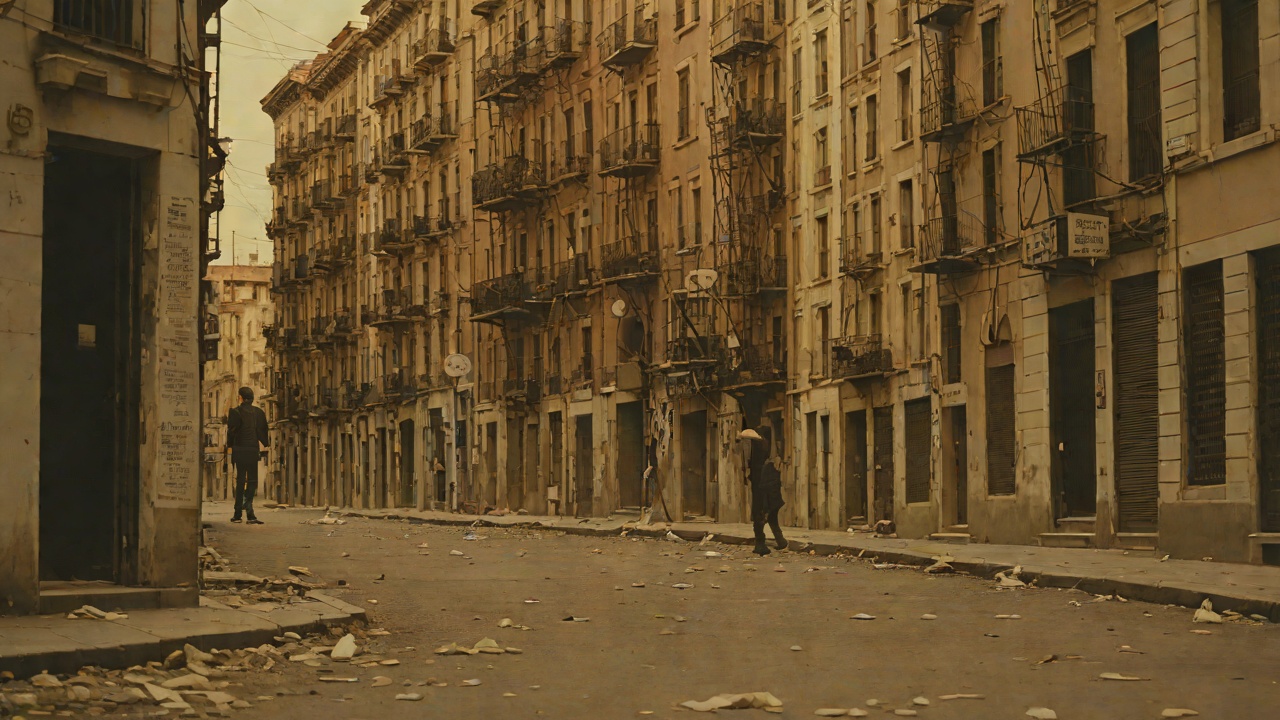
Ghost Photographs of the Dead
Context
The narrator praises an artist who projects ghostly photographs of the dead onto the buildings and sidewalks where they once lived. A Jewish scholar stands in a Berlin doorway, a family before an Amsterdam apartment, marching German troops shine from a window. Passersby walk through the images and shudder.
Significance
The ghost photographs are the visual equivalent of the recovered archive. They make the past coexist with the present, compressing time and space into a point. They also make the city a haunted text, one the narrator wants to bring to New York.
Consequences
The image strengthens the novel's commitment to memory as moral practice. The dead are not separate from us; they are projected onto the very ground we walk.
The Archive as Counter-Story
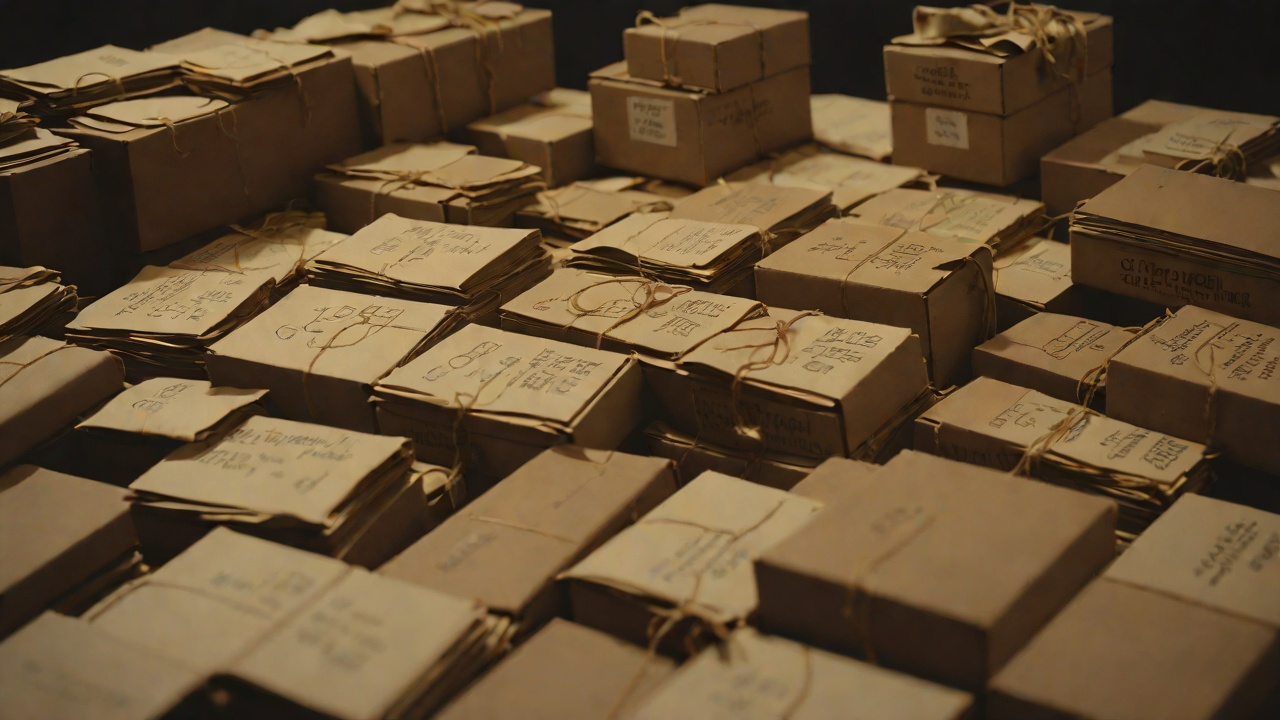
The Archive as Counter-Story
Context
The customs inspectors unwrap oilskin packages containing the Barbanel archive: orders signed by Schmitz, testimonies, lists of the dead, and photographs of seven little boys in garrison caps. The attorney asks to copy everything for the Justice Department. Sarah holds pages that are not history but a curve of the universe's light flashing through her.
Significance
The archive is a story told against the Holocaust's story of erasure. It restores names, faces, and words to people who were consigned to anonymous oblivion. It is the book's model of true memory.
Consequences
The unsealing becomes a ritual of witness. The recovered paper is all that can be resurrected, and it is enough to reopen a deportation case and to renew the dead's claim on us.
The Novel as City of God
The Novel as City of God
Context
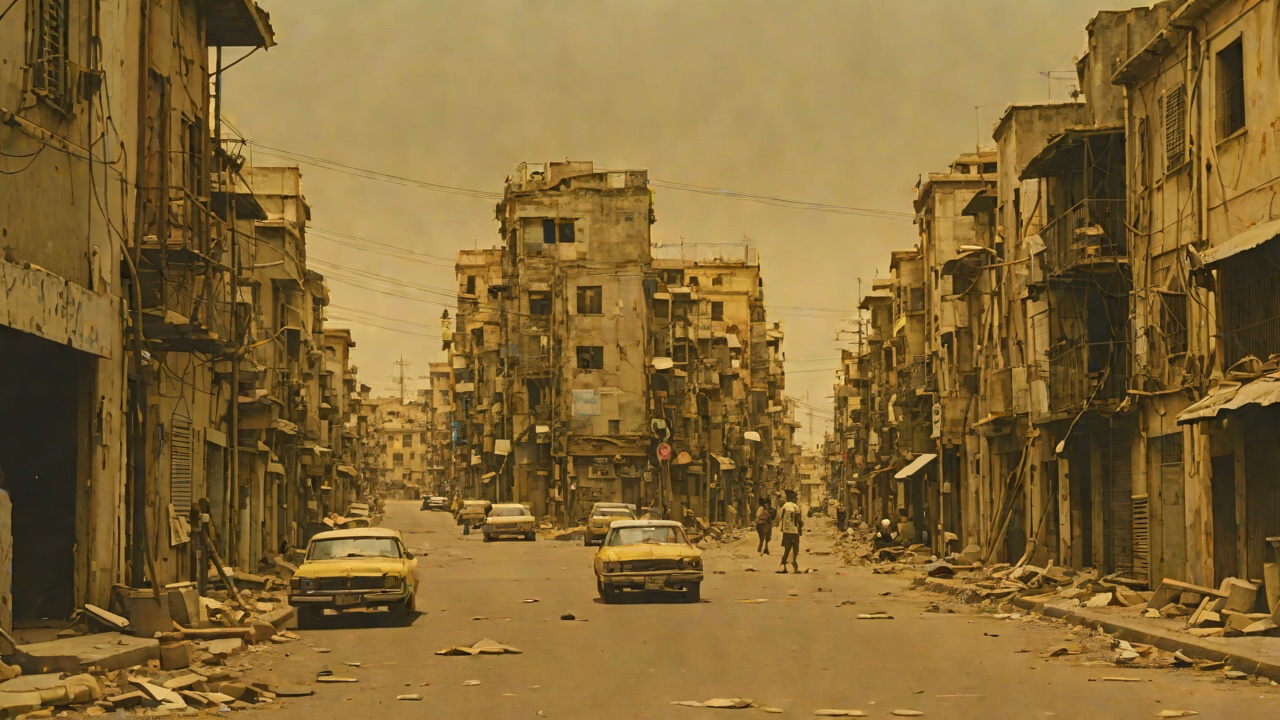
The narrator imagines a movie that would show the city's collapse into wrathful futurist chaos, then introduces the hero and heroine as a vitally religious couple running a small synagogue. He breaks the movie to return to the city itself: glimmering, breakable, historically amassed. He calls it the city of the unremarked God.
Significance
The novel itself is that city, built from stories rather than stone. It houses Pem and Sarah, Yehoshua and Srebnitsky, Barbanel and Greta, the closure man, the jazz quartet, the war dead, and the living. The literary work is the last best defense against the murderous loudspeaker of ideology.
Consequences
The book ends by making an ethical demand: tell the stories, preserve the archive, love the city, and remake God if necessary. The City of God is not a heavenly real estate; it is the community of the telling.
in the narrator's essay on cinema, after several movie digressions
during the monologue about the filmmaker who casts the doomed actress
in the gallery digression about an artist projecting old images on buildings
when the ghetto chest is unsealed at JFK
in the closing movement of the book
